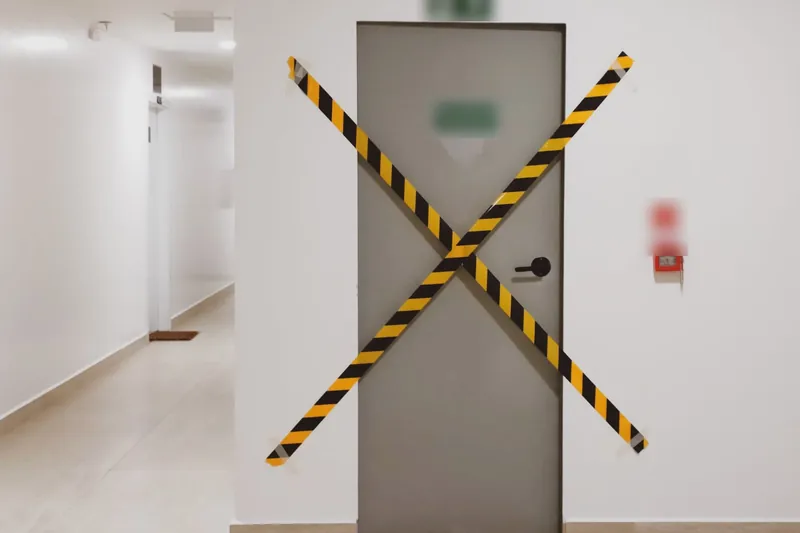
Homicide Cleanup
After investigators leave, homicide cleanup removes contaminated materials along with tissue and blood.
See homicide cleanupGet blood, body fluids, fingerprint powder and odor removed from a home, apartment, rental or business in Stevendale Estates once police release the property. Most crime scene cleanups take one to three days.
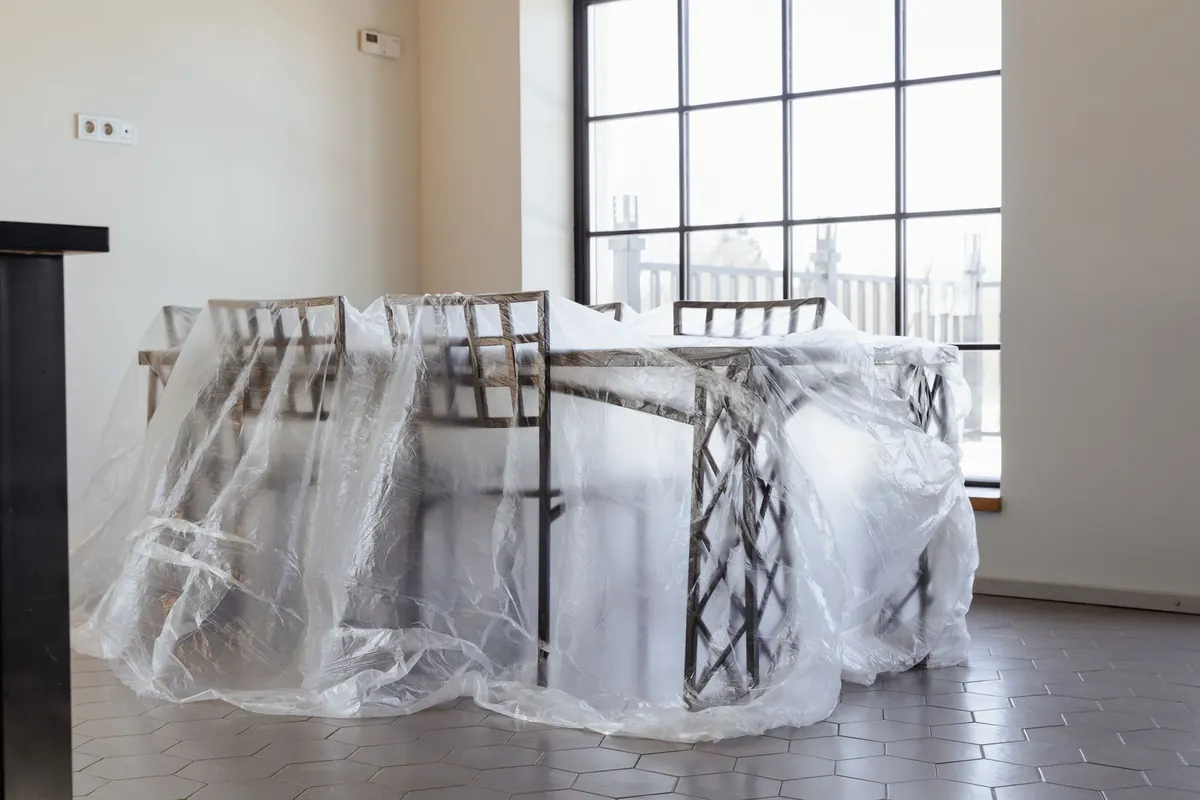
Crime scene cleanup means taking out tissue, contaminated materials, body fluids and blood following a violent crime. Often termed trauma scene cleanup or forensic cleaning, it includes odor removal and disinfection to make the property safe for use again.
It starts where the investigation ends. Police, detectives and the medical examiner or coroner collect evidence and remove the deceased, but they do not clean. The scene is released to the property owner, the family or the landlord, and the cleanup becomes their responsibility.
Every trace of blood is treated as infectious by a forensic clean up crew. These workers are also known as forensic or crime scene cleaners. They follow its path, take out materials that cannot be disinfected, treat and clean all surfaces, then transport hazardous material according to medical waste rules. This complete work is a type of biohazard remediation.
Calls are answered day and night, and crews arrive in unmarked vehicles so neighbors do not know what happened.
Crews put aside photos, papers and meaningful belongings for you to examine before any disposal.
Before work begins, you learn the process and cost factors so your family can choose what is right.
Photos, scope and waste records are ready for insurance companies and landlords, so you can move forward.
Crime scene cleaning services are needed any time a violent event leaves blood or body fluids behind. Common situations include:
The home may contain bloody broken glass, door damage and widespread fingerprint dust.
Blood spatter on ceilings and walls, plus soaked carpet and subfloor where a person fell.
Tissue and blood may affect furniture, walls and flooring across multiple rooms.
A private service means your family does not need to confront the scene.
Your health, final cost and insurance claim can all be affected by what happens in the first hours. While waiting for cleanup technicians:
Call (888) 440-9227According to published cost guides, a residential crime scene cleanup most often costs from $1,500 through $7,500. Crime scene cleanup companies commonly price the full job, not each hour. Limited surface blood may mean a lower cost, while subfloor contamination or several affected rooms can push the bill past $10,000. Final pricing follows an on-site assessment.
These national ranges are taken from published cost guides, rather than a property visit. The price for your property is set after the on-site assessment, and you hear it before work starts.
Ask about cost: (888) 440-9227Check the homeowners or renters policy that applies to the property. It may include crime scene cleanup when an event is classified as accidental and sudden, and you may owe a deductible.
Property owners typically pay for and organize crime scene cleanup in shared areas and rental homes.
Find out whether your policy covers biohazard cleanup, whether a cleanup company is your choice, and which records or images the adjuster requires.
Victims of violent crime can ask the Louisiana Crime Victims Reparations Board, supported by the Louisiana Commission on Law Enforcement, about crime scene cleanup. The program lists it among eligible expenses. Insurance is usually checked first.
Your homeowners or renters policy terms determine coverage following a violent crime. Report the event quickly and keep the claim number.
A safe, consistent order guides the remediation process, even though every crime scene differs. From the opening walk-through until final inspection, the crime scene cleanup process follows that sequence.
Before starting, technicians join you or your representative for an inspection, take photos and confirm the planned work.
Technicians put on full personal protective equipment, then contain the affected area using plastic sheeting and negative air.
Any saturated carpet, drywall, furniture, padding or mattress is cut out and secured in sealed medical waste bags.
All surfaces receive cleaning followed by an EPA-registered hospital-grade disinfectant applied for the full contact time.
Technicians inspect HVAC vents and target the odor source using ozone, hydroxyl generators or air scrubbers.
Paperwork follows each closed container through delivery to a permitted facility for medical waste.
Surfaces can be checked with ATP testing, and you get photos and records for your insurance claim.
After the affected materials are removed, your chosen contractor or an insurer-selected vendor can install new flooring and drywall.
Call any hour. You speak with a crime scene cleanup specialist who outlines the process and schedules a start time with you.
Blood and bodily fluids can be hazardous to your health, and contamination often extends beyond the visible area.
Blood runs under baseboards, soaks through carpet into the pad and subfloor, and settles into grout. Surface cleaning leaves it there, where odor and bacteria come back.
Materials that are saturated become regulated medical waste. An approved facility must treat them because they cannot be placed with household waste or in a dumpster.
HIV and the hepatitis B and C viruses may be carried in blood. Even if blood seems dry, the CDC says hepatitis B may live on a surface for at least seven days.
Can you clean it yourself? Wear gloves and apply an EPA-registered disinfectant when fresh blood is limited to a few drops on any hard, non-porous surface. Call for professional cleanup if the amount has no visible boundary or has entered carpet, textiles, drywall or wood.
The rule is simple: if a material can be fully disinfected, it is cleaned. If blood soaked into it, it is removed.
Federal rule 29 CFR 1910.1030 establishes handling, training and protective equipment requirements where occupational blood exposure is possible.
A disinfectant for blood should carry EPA registration and stay on each surface for the complete labeled contact period.
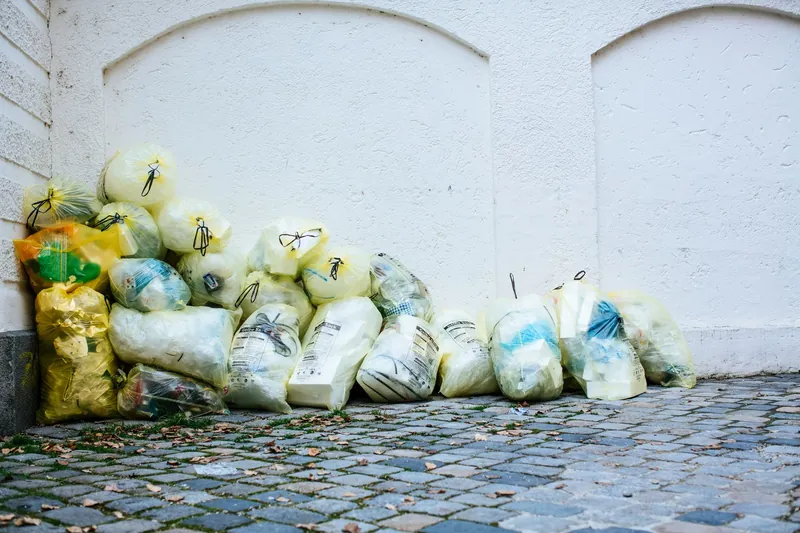
Louisiana treats soaked materials from a biohazard scene as potentially infectious biomedical waste. Louisiana Department of Health sanitary code rules control how it is packaged, stored and transported, so it cannot go in household trash.
Louisiana has no statewide medical examiner. Each parish has an elected coroner who investigates deaths involving violence, accidents or suspicious circumstances. Cleanup starts after police or the coroner release the scene.
For most crime scene cleanups, time at the property is one to three days. A recent scene with a small affected area can take a day, while structural removal at a heavy scene can extend the work to two to five days.
The full crime scene cleanup guide covers what is cleaned or removed, odor and air quality work, and the rules that apply in your state.
Read the full crime scene cleanup guideContainment, entry and cleanup plans can be influenced by local housing, population and access details.
Ochsner Medical Center, Baton Rouge is about 3.9 miles from Stevendale Estates, which is useful to know when an exposure or injury needs medical attention.
Crews coming in from Stevendale Heights, Stevendale Park Estates or Woodcrest should keep vehicles and equipment staged close to the affected property for privacy.
As a Baton Rouge neighborhood, Stevendale Estates may include several building styles, so cleanup planning should start with the exact property type.
Ask on the call about cleanup options for neighboring communities and ZIP codes.
After investigators leave, homicide cleanup removes contaminated materials along with tissue and blood.
See homicide cleanup
Families are spared from facing the scene through discreet and considerate suicide cleanup.
See suicide cleanup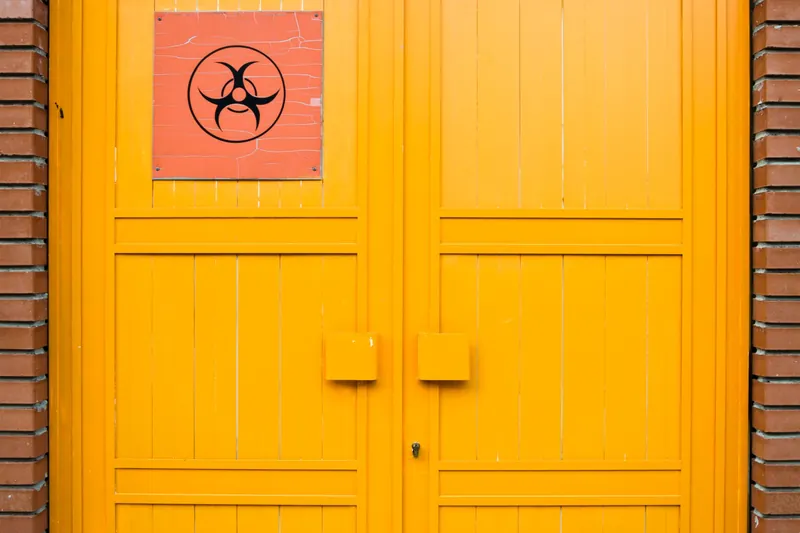
Trauma scene cleanup is needed after violent events, accidents and injuries.
See trauma scene cleanup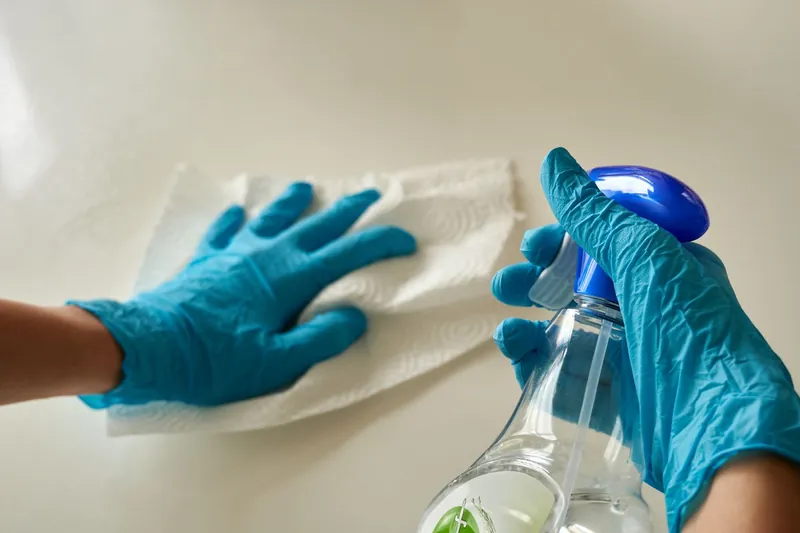
Blood cleanup on carpet, hard floors, walls and furniture with safe disposal.
See blood cleanup
Decomposition cleanup and odor control are needed after a death goes unnoticed for several days.
See unattended death cleanup
Air scrubbers, hydroxyl and ozone treatment support death odor removal at its source.
See death odor removal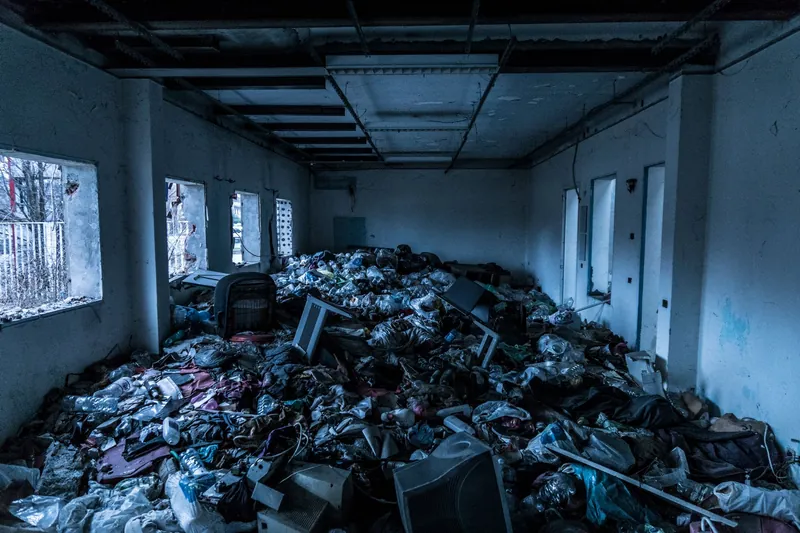
Deep cleaning, respectful sorting and removal are all part of hoarding cleanup.
See hoarding cleanup
Sewage cleanup removes Category 3 black water from raw sewage, then disinfects and dries the area.
See raw sewage cleanupNo. Once evidence collection is complete, law enforcement releases the property. Responsibility for cleaning belongs to the property owner or whoever oversees the location.
Affirmative. Chemical remnants and fingerprint dust are addressed through forensic cleaning. Dry removal comes first, then the right cleaner for each surface so the powder does not stain.
Common names include forensic cleaning, biohazard remediation, crime scene cleanup, trauma cleanup and forensic clean up. Workers performing the service are known as forensic cleaners or crime scene cleaners.
Viruses including hepatitis B may remain viable for days in dry blood left on a surface. Approach dried blood just as you would fresh blood.
Published guides put most residential crime scene cleanups between $1,500 and $7,500. Small surface work can cost less, but large scenes or several affected rooms may rise beyond $10,000.
Law enforcement and the medical examiner or coroner remove evidence and the deceased without cleaning the property. A landlord, property owner or family typically arranges crime scene cleanup with professional crime scene cleaners.
Discreet, respectful crime scene cleanup, 24 hours a day, with crews in unmarked vehicles.